Loading...
Serving Lafayette, IN and surrounding areas. (765) 742-7807
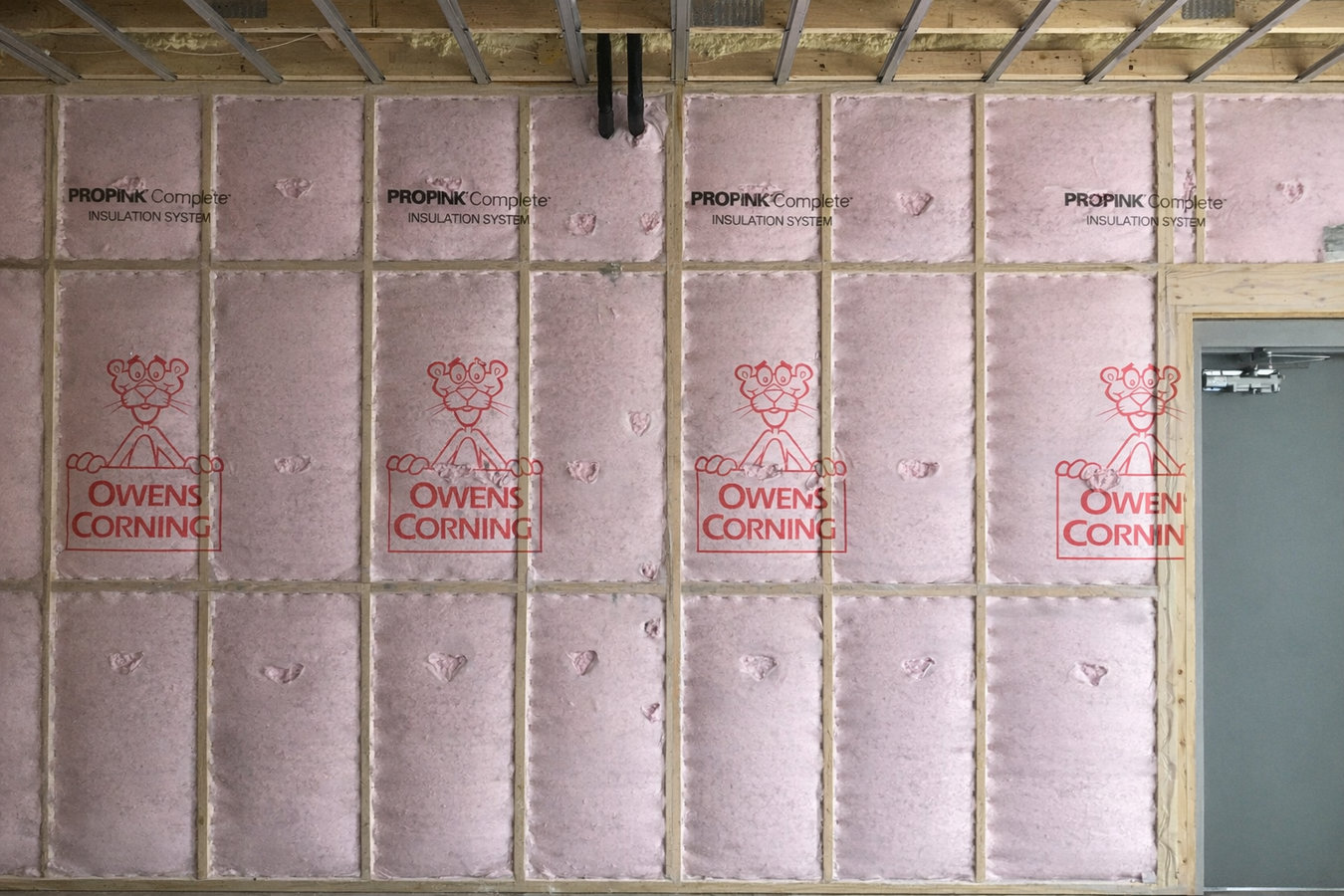
If your home has cold rooms and high heating bills, under-insulated walls are often the cause. We fill your wall cavities completely so your home holds heat the way it should.
Wall insulation in Lafayette, IN involves filling closed exterior wall cavities with blown-in or spray foam material through small drilled holes - most jobs on a typical home are completed in one to two days without tearing out drywall or plaster.
A large share of Lafayette homes were built between the 1940s and 1970s, a period when wall insulation was minimal or nonexistent by today's standards. Neighborhoods like Ellsworth, Happy Hollow, and the streets near downtown were often built with little more than a thin batt - or nothing at all - inside the wall cavities. If your home is more than 40 years old and has never had insulation work done, there is a good chance your walls are significantly under-filled. Pairing wall insulation with air sealing services at the same time produces the best results, because insulation performs much better when the air leaks around it have been closed first.
For homes where you also want to address the attic or other areas, we can discuss blown-in insulation as a broader solution that covers more of your home in a single project.
If your gas bill climbs sharply from November through February and your home still feels drafty or uneven in temperature, your walls may be letting heat escape faster than your furnace can replace it. Lafayette winters are long and cold enough that under-insulated walls show up clearly on your utility statements.
Walk through your home on a cold January morning and pay attention to which rooms feel comfortable and which feel like you are standing near an open window. Rooms on exterior corners, rooms above garages, or rooms on the north-facing side of the house are often the first to show the effects of thin or missing wall insulation.
Hold your hand near an electrical outlet or light switch on an outside wall on a cold day. If you feel a noticeable draft or chill, cold air is moving through the wall cavity and finding its way into your living space. This is a simple test anyone can do, and it is one of the clearest indicators that wall insulation or air sealing is inadequate.
Homes built in Lafayette before 1980 were constructed under much looser energy standards, and many were built with little or no wall insulation at all. If you have owned your home for years and cannot point to a time when insulation was added, there is a reasonable chance your walls are significantly under-filled - especially in the older neighborhoods near downtown.
For most existing homes, we use a dense-pack blown-in approach - drilling small holes between each stud bay, injecting insulation until the cavity is fully filled, then patching and finishing the holes the same day. This method avoids major demolition and works well in both plaster-wall homes and drywall construction. Before we start, we check for moisture, because adding insulation over a damp wall only traps the problem inside. For homes where air leakage is the bigger issue - drafts you can feel near outlets or along baseboards - we often recommend pairing wall insulation with air sealing services to address both problems in a single visit.
For new construction or open walls during renovation, we can install batt insulation or spray foam directly into open cavities before drywall goes up. Spray foam is also a strong option for homeowners whose older walls are very leaky, because it seals air gaps at the same time it insulates. If you are evaluating multiple insulation options, blown-in insulation covers both walls and attic spaces and may be the most efficient path for a whole-home upgrade.
Best for existing homes where you want to avoid tearing out plaster or drywall - the standard approach for Lafayette's older housing stock.
Ideal for new construction or walls opened during a renovation, where you have direct access to the stud cavities before drywall goes up.
A stronger performer in very leaky older homes, because it seals air gaps and insulates at the same time - typically costs more than blown-in.
The most complete solution for homes where drafts and heat loss are both present - addresses the problem from both angles in a single project.
Lafayette sits in USDA Plant Hardiness Zone 6a, where average January lows reach around 17 degrees and wind chills push well below zero on the worst days. That kind of sustained cold puts real pressure on under-insulated walls - your furnace runs longer, your bills climb, and some rooms never quite feel warm. Much of the city was built when energy efficiency was not a priority. Homes in neighborhoods like Ellsworth and Happy Hollow were often framed with minimal or no wall fill at all, and many have sat that way for decades. Getting walls properly insulated is one of the most direct ways to make a Lafayette home comfortable through a long Indiana winter. Homeowners in West Lafayette near the Purdue campus deal with the same issue - many of those older rental-area homes have never had wall insulation added since they were built.
Indiana's climate also brings humid summers and repeated freeze-thaw cycles through late fall and early spring. In older Lafayette homes, this combination can drive moisture into wall cavities over time, which degrades insulation and can lead to mold or wood rot if left unchecked. Before adding anything new, a good contractor checks for existing moisture problems - skipping this step in a Lafayette home is a mistake that can turn a straightforward upgrade into a much bigger repair. Homeowners in Crawfordsville face the same freeze-thaw conditions and the same older housing stock, making wall insulation a worthwhile investment across the region.
Call or submit your info online and we will get back to you within one business day. You do not need to prepare anything special - just let us know the age of your home and what you have been noticing.
We walk your home, check what is currently in the walls, look for moisture, and explain what we find in plain terms. You receive a written estimate before any work begins - no surprises, no pressure.
The crew drills small holes between each stud, fills the cavities completely, then patches every hole the same day. Most homes are done in one to two days. You can stay home throughout.
Before we leave, we walk you through the finished walls and confirm the drying time before painting. We also let you know if a permit was required and provide any documentation you may need for your records.
We reply within one business day and provide written estimates at no cost.
(765) 742-7807A large share of our Lafayette projects involve homes built between the 1940s and 1970s - the type where wall cavities vary, plaster walls require extra care, and moisture checks matter before any insulation goes in. We know what to look for in these homes because we work in them regularly.
We serve 12 cities and towns across Indiana, from Lafayette and West Lafayette to Kokomo, Crawfordsville, and beyond. That service footprint means we understand the regional housing stock and climate conditions that affect wall insulation work across Tippecanoe County and surrounding areas.
We check for moisture in the wall system before installing anything. Lafayette's humid summers and freeze-thaw winters can drive dampness into older walls, and adding insulation on top of a moisture problem only seals it in. Catching it first protects your home and keeps the insulation performing the way it should.
Every project starts with a written estimate that breaks down exactly what work will be done and what it will cost. There is no sales pressure and no obligation to proceed - just a clear picture of what your home needs and what we will charge to do it right. You can compare it against other quotes at your own pace.
Permit requirements for wall insulation projects are governed by the Tippecanoe County Area Plan Commission. We understand both sets of requirements and handle the details so you do not have to.
Closing gaps around pipes, outlets, and framing works with wall insulation to stop drafts at the source.
Learn moreBlown-in material is the most common choice for filling closed wall cavities in existing Lafayette homes.
Learn moreSchedule your free in-home estimate today - slots fill up fast once the weather turns cold.