
Loading...
Serving Lafayette, IN and surrounding areas. (765) 742-7807
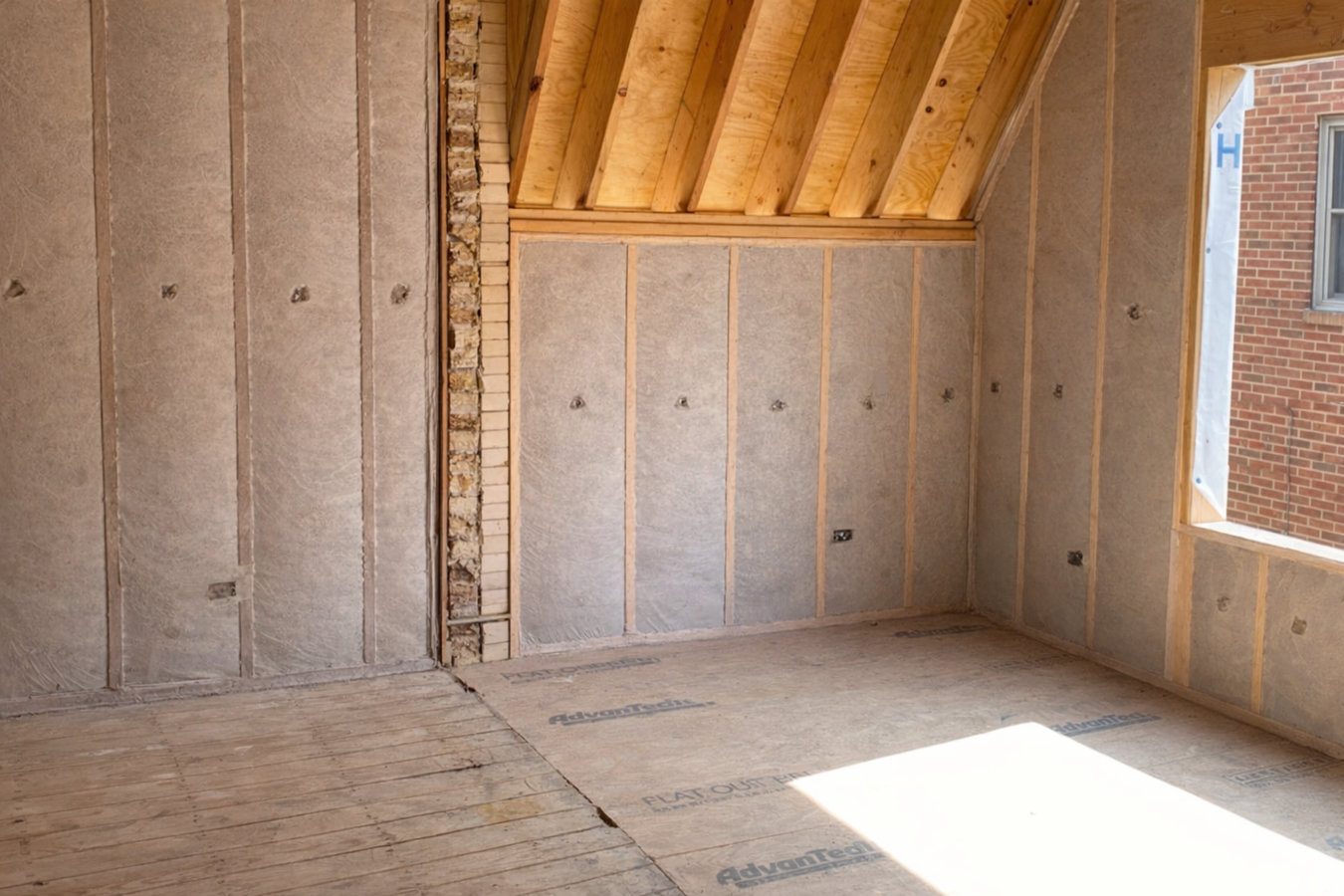
Lafayette Insulation provides home insulation, spray foam, attic, and crawl space insulation to Terre Haute, IN homeowners. We have served western Indiana since 2023, know the region's older homes, and respond to every estimate request within 1 business day.
The median year homes were built in Terre Haute is around 1957, and most of those homes were insulated to standards that no longer hold up to what Indiana winters demand. A whole-home insulation review - attic, crawl space, walls, and rim joists - is the most effective way to find where your home is losing heat and address all of it in one project. If your heating bill climbs every January, learn more about home insulation options.
Heat rises straight through a thin attic, and Terre Haute winters are long enough that the loss shows up on every gas bill from November through March. Homes in Farrington's Grove and the older neighborhoods north of downtown often have only a few inches of original insulation that has settled and degraded over 60 or 70 years - well below what Vigo County winters require today.
Terre Haute's older brick and wood-frame homes were built before air sealing was standard practice, and spray foam addresses both insulation and air gaps in one application. For homes near the Wabash River where moisture is a concern, closed-cell spray foam in crawl spaces and rim joists acts as both insulation and a moisture barrier - two problems solved at once.
Terre Haute receives around 42 inches of rain per year, and the clay-heavy soil throughout Vigo County holds water after each rain event rather than draining quickly. Homes on the west side of town near the Wabash River face this most acutely. Insulating crawl space walls and pairing the work with a vapor barrier stops cold floors and moisture migration before either becomes a larger problem.
The Craftsman bungalows and Foursquare homes in Terre Haute's historic neighborhoods have irregular attic layouts where batt insulation doesn't fit well. Blown-in cellulose or fiberglass fills every corner of an uneven attic floor without disturbing plaster ceilings - the right choice for the older in-town housing stock that defines much of the city.
Homes built near Indiana State University and in Terre Haute's older neighborhoods were constructed well before air sealing was required. Gaps around pipes, wires, and attic framing let conditioned air escape even when insulation levels look adequate. Air sealing stops that movement - the reason some rooms stay drafty no matter what the thermostat is set to.
The median year homes were built in Terre Haute is around 1957, according to Census data - meaning a large portion of the city's housing stock is 60 to 80 years old. Those homes were constructed under energy codes that look nothing like today's standards. Many in the older neighborhoods north and south of downtown have original plaster walls, older roof structures, and foundations that have been through decades of freeze-thaw cycles. Indiana winters in Vigo County regularly bring extended stretches of temperatures below freezing, and the repeated cycling from above to below 32 degrees expands and contracts framing, widens gaps around pipes and wires, and gradually separates batt insulation from the surfaces it was supposed to be touching. Homes that were marginally insulated when they were built get worse every winter.
Terre Haute also sits on the eastern bank of the Wabash River, and the city receives around 42 inches of rain per year - with the heaviest rainfall in spring. Clay-heavy soil throughout western Indiana holds water after rain rather than draining quickly, which means crawl spaces and basements in low-lying areas stay damp long after a storm passes. That moisture, combined with the temperature swings of a Vigo County winter, creates conditions where poorly insulated homes develop condensation problems inside walls and under floors that can lead to mold and wood rot over time. A contractor who understands both the temperature demands and the moisture environment of this part of Indiana approaches each job differently than one who doesn't.
Our crew works regularly on the older brick and wood-frame homes in Terre Haute - the kind of construction you find in the Farrington's Grove Historic District and in the neighborhoods around Indiana State University. These homes have plaster walls, original framing, and attic floor layouts that require blown-in insulation rather than batts. When the project scope requires a permit, we pull it through the City of Terre Haute Building Department before work starts - you don't have to navigate that process yourself.
Terre Haute sits along the Wabash River at the Illinois border in western Indiana, and the homes on the west side of town deal with drainage and moisture conditions that differ from those on higher ground to the east. Whether the job is a Craftsman bungalow near downtown or a mid-century ranch on the north side, the moisture context is part of every estimate we write. Homeowners in Crawfordsville, IN to the north and in Frankfort, IN to the northeast can reach us the same way - the process is identical wherever you are in the region.
Call us or fill out the contact form and we will reply within 1 business day. We will ask a few basic questions about your home's age, size, and what is prompting the call - no need to prepare anything in advance.
We schedule a visit to your Terre Haute home - typically within a few days. We check the attic, crawl space, and rim joists, measure what insulation is already there, and look for moisture or air sealing issues. You receive a written estimate before we schedule any work - no pressure to decide on the spot.
If your project requires a permit from the City of Terre Haute Building Department, we pull it before work starts. We confirm the installation date, what access is needed, and whether you need to be home during the work - most attic jobs don't require you to leave, but spray foam projects do require a 24-hour re-entry window.
Most jobs are completed in a single day. Before we leave, we walk you through the finished work so you can see what was done and why. You will have written documentation of everything completed - useful if you ever sell the home or file an insurance claim.
We serve Terre Haute and Vigo County. Written estimates, no pressure, reply within 1 business day.
(765) 742-7807For Indiana building code and permit information, see the Indiana Department of Homeland Security - Fire and Building Safety Division. For energy efficiency incentives, the ENERGY STAR federal tax credits page covers current insulation incentive amounts.
Terre Haute is the county seat of Vigo County in western Indiana, with a population of around 58,000 people. The city sits on the eastern bank of the Wabash River near the Illinois border, and the river has historically shaped both the geography and the flooding patterns of low-lying neighborhoods on the west side of town. The Farrington's Grove Historic District is one of the most recognized parts of the city - a concentration of late 1800s and early 1900s homes listed on the National Register of Historic Places, including Craftsman bungalows and American Foursquares that are still occupied today. Moving away from the historic core, Terre Haute has a belt of ranch-style homes built in the 1950s and 1960s on the north and south sides of the city that are now 50 to 70 years old. Terre Haute, Indiana has a working-city character shaped by Indiana State University and a long manufacturing history.
Indiana State University anchors the center of the city and enrolls around 10,000 students, which shapes the rental housing market in neighborhoods close to campus. With roughly half of Terre Haute's housing units being renter-occupied, many properties have seen years of deferred maintenance that catches up when homes change hands. Terre Haute is also a natural base for serving homeowners in the surrounding region - we work regularly in Crawfordsville, IN to the north and in Frankfort, IN to the northeast, where the housing stock and climate conditions are similar.
Spray foam creates an airtight seal that dramatically reduces energy loss in walls, attics, and crawl spaces.
Learn moreProper attic insulation keeps conditioned air inside your home and lowers heating and cooling bills year-round.
Learn moreBlown-in insulation fills irregular cavities evenly, providing consistent thermal performance with minimal disruption.
Learn moreWhole-home insulation solutions tailored to your specific house type, age, and energy goals.
Learn moreSafe, complete removal of old or damaged insulation before new material is installed.
Learn moreInsulating the crawl space improves comfort, controls moisture, and protects floors from temperature extremes.
Learn moreWall insulation reduces outdoor noise and maintains consistent indoor temperatures throughout every season.
Learn moreAir sealing closes gaps and cracks that let conditioned air escape and outside air infiltrate your home.
Learn moreBasement insulation prevents heat loss through foundation walls and helps eliminate cold floors above.
Learn moreClosed-cell spray foam offers the highest R-value per inch and acts as both insulation and vapor barrier.
Learn moreOpen-cell foam expands to fill complex cavities, delivering excellent soundproofing and thermal performance.
Learn moreSealing the attic floor stops conditioned air from rising out of the living space into unconditioned areas.
Learn moreA heavy-duty vapor barrier blocks ground moisture from entering your crawl space and causing structural damage.
Learn moreProfessional vapor barrier installation protects your home from moisture intrusion and mold growth.
Learn moreRetrofit insulation upgrades existing homes without major reconstruction, improving efficiency quickly.
Learn moreCommercial-grade insulation systems for warehouses, offices, and industrial facilities of any size.
Learn moreCall Lafayette Insulation today or request a free estimate online. We serve Terre Haute and all of Vigo County - and we reply within 1 business day.