Loading...
Serving Lafayette, IN and surrounding areas. (765) 742-7807
Drafty rooms and high gas bills often mean your home is leaking heat through gaps that regular insulation never touches. Open-cell foam seals and insulates in one step, so you get real comfort through every Indiana winter.
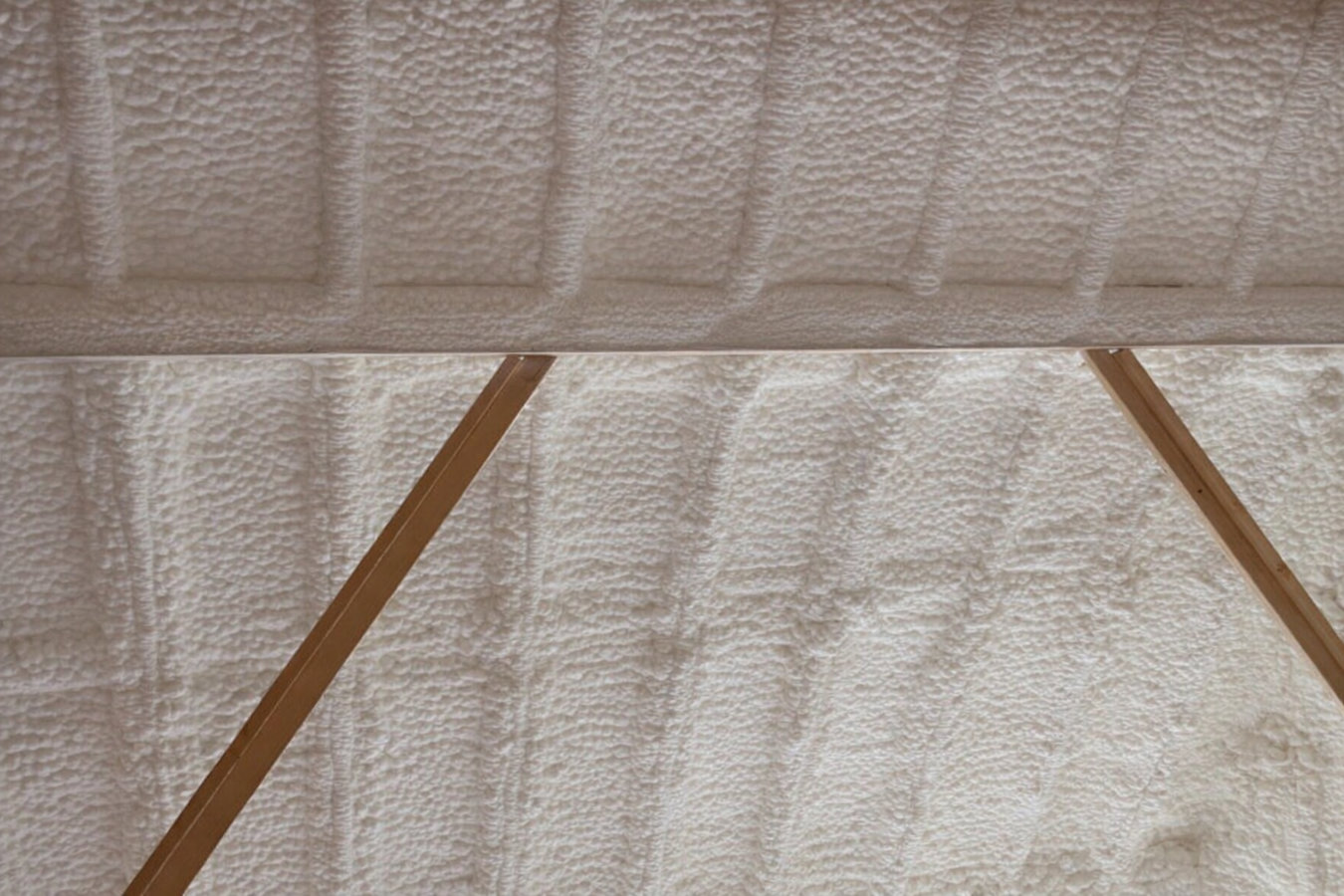
Open-cell foam insulation in Lafayette, IN is sprayed as a liquid that expands to fill and seal wall cavities, attic rafters, and crawl space framing - most residential jobs are completed in one to two days, with no need to tear out existing drywall or plaster.
Unlike fiberglass batts or blown-in cellulose, open-cell spray foam handles two problems at once: it slows heat from passing through surfaces and seals the small gaps and cracks that let outside air sneak into your home. For Lafayette homeowners living in houses built before the 1990s, this combination is often what makes the biggest difference in comfort. Many of those older homes were insulated to standards that look inadequate by today's measure, and some have settled or degraded material that is barely doing anything at all. If you want to address air movement alongside insulation, pairing this work with attic air sealing gives you the most complete result.
For homes where moisture is also a concern - especially in basements or crawl spaces - we can discuss whether closed-cell foam insulation is a better fit for those specific areas, since it provides a moisture barrier that open-cell foam does not.
If your gas bill climbs sharply from October onward and stays high even when you keep the thermostat steady, your home is likely losing heat faster than it should. Lafayette winters are long and cold, and a home with thin or degraded insulation works your furnace overtime just to stay at a comfortable temperature. This is one of the clearest signs that your insulation is not doing its job.
Walk through your home on a cold January day and pay attention to where you feel cool air moving - near baseboards, around electrical outlets on exterior walls, or along the floor in older rooms. Those drafts are air leaking in from outside through gaps that regular insulation never addresses. Open-cell foam seals those pathways at the same time it insulates.
Homes built in Lafayette's older neighborhoods - many dating to the mid-20th century - were often insulated to standards well below what is recommended today. If you have never had anyone look at your attic or crawl space insulation and your home is more than 30 years old, there is a reasonable chance the material has settled, thinned, or was never adequate to begin with.
If one room in your home is noticeably colder in winter or hotter in summer than the rest of the house, the floor or ceiling below or above it is likely under-insulated. In Lafayette homes with attached garages or uninsulated crawl spaces, this is a very common complaint - those areas are often the weakest points in the building envelope and the easiest to fix with spray foam.
We install open-cell foam in attic rafters, wall cavities, rim joists, and crawl space framing. In attics, spraying the underside of the roof deck brings the attic into the conditioned part of your home, which protects any HVAC equipment or ductwork from extreme seasonal temperatures. This application works particularly well in Lafayette homes where ducts run through the attic and lose efficiency to the outside air during Indiana winters. For attics where air movement is the primary issue, combining foam installation with attic air sealing ensures every pathway between the living space and the attic floor is closed.
For walls, open-cell foam is often the right answer when the goal is both air sealing and insulation in a single pass - particularly in older homes where the wall cavities have odd dimensions or where previous insulation has degraded. In crawl spaces and basements, we assess the moisture situation before recommending open-cell foam, since it is permeable to water vapor. In those cases, closed-cell foam insulation is often the stronger choice because it acts as a moisture barrier as well as an insulator.
Best for homes where HVAC equipment or ductwork runs through the attic, or where you want to bring the attic into the conditioned envelope to protect it from temperature extremes.
Ideal for existing homes where you want both insulation and air sealing in a single application, especially in older walls with irregular framing or degraded existing material.
Suited for above-grade crawl space walls and rim joist areas where air leakage is the main concern and moisture levels have been confirmed to be manageable.
The most complete solution for homes where drafts, energy loss, and comfort are all present - pairs foam installation with targeted sealing at every gap and penetration.
Lafayette sits in a climate zone where winter temperatures regularly drop below 10 degrees and summer humidity makes the air feel heavy and thick. That wide swing between seasons puts real pressure on your insulation - gaps that let cold air in during January let humid air in during July, which can lead to condensation inside wall cavities over time. A large share of the housing stock in Lafayette, including neighborhoods near Purdue University and the older sections on the city's north and south sides, was built in the 1950s through 1980s when energy efficiency was not a design priority. Homeowners in West Lafayette face the same conditions, with many of the older homes near campus running on insulation that was installed decades ago and has lost much of its effectiveness.
Natural gas is the dominant heating fuel in Lafayette, and the long heating season that runs from October through April means under-insulated homes pay a premium every year they go without upgrades. Open-cell foam is particularly effective here because it addresses the air leakage that older batts and loose-fill materials simply cannot stop - and in Lafayette's climate, that air movement is responsible for a large share of the heat loss that drives utility bills up. Homeowners in Kokomo deal with the same cold winters and older housing stock, and open-cell foam delivers the same benefits across north-central Indiana.
Reach out by phone or through our contact form and we will reply within one business day. We will ask a few basic questions - the age of your home, which areas you want insulated, and what you have been noticing - so we can give you a realistic sense of what the job involves before anyone drives out.
We walk through your home and look at the areas you want insulated. We check what is already there, look for any moisture issues that should be addressed first, and measure the space. You receive a written estimate before any work is scheduled - no obligation and no pressure.
The crew arrives with spray equipment and sets up protective coverings near the work area. The actual spraying is fast - foam expands and firms up within seconds. Before we start, we give you a specific re-entry time in writing, typically 24 to 48 hours after spraying is complete.
Once the foam has cured, we do a final walkthrough to confirm coverage looks right and answer any remaining questions. If a permit was required, we handle scheduling the inspection with the City of Lafayette Building Division and provide you with documentation of the completed work.
We reply within one business day and provide free written estimates with no obligation.
(765) 742-7807Our service area spans 12 cities and towns across Indiana, from Lafayette and West Lafayette to Kokomo, Frankfort, and beyond. That regional footprint means we understand the housing stock and climate conditions that shape open-cell foam projects across Tippecanoe County and neighboring counties.
Open-cell foam is permeable to water vapor, so we check for existing moisture issues before any installation starts. Applying foam over a damp surface traps the problem inside and can make it worse over time. This step protects your investment and your home's structure - and it is part of every project we take on.
One of the most common worries homeowners have about spray foam is not knowing when it is safe to come back inside. We give you a specific re-entry time before we start - not a rough guess - so you can plan accordingly. This is a basic courtesy we extend on every job, and it reflects how we handle the whole project.
When a permit is required by the City of Lafayette for your project, we pull it before work begins and handle the inspection process after. You receive documentation of the completed work, which protects you when you sell your home or make an insurance claim. We keep the process transparent from the first call to the final walkthrough.
Spray foam installation involves chemicals that require proper training and protective equipment. The Spray Polyurethane Foam Alliance publishes installation guidelines and homeowner resources that cover safe practices, and the ENERGY STAR federal tax credit program may allow you to offset a portion of your insulation project cost - ask us about documentation requirements when you request your estimate.
Sealing every gap in your attic floor eliminates the hidden air pathways that drain heat from your living space all winter long.
Learn moreDenser and more moisture-resistant than open-cell foam, closed-cell is the stronger choice for basements and crawl spaces with known water issues.
Learn moreRequest your free estimate today - Lafayette contractors book up fast in the fall, and scheduling early means you will feel the difference all season long.