
Loading...
Serving Lafayette, IN and surrounding areas. (765) 742-7807
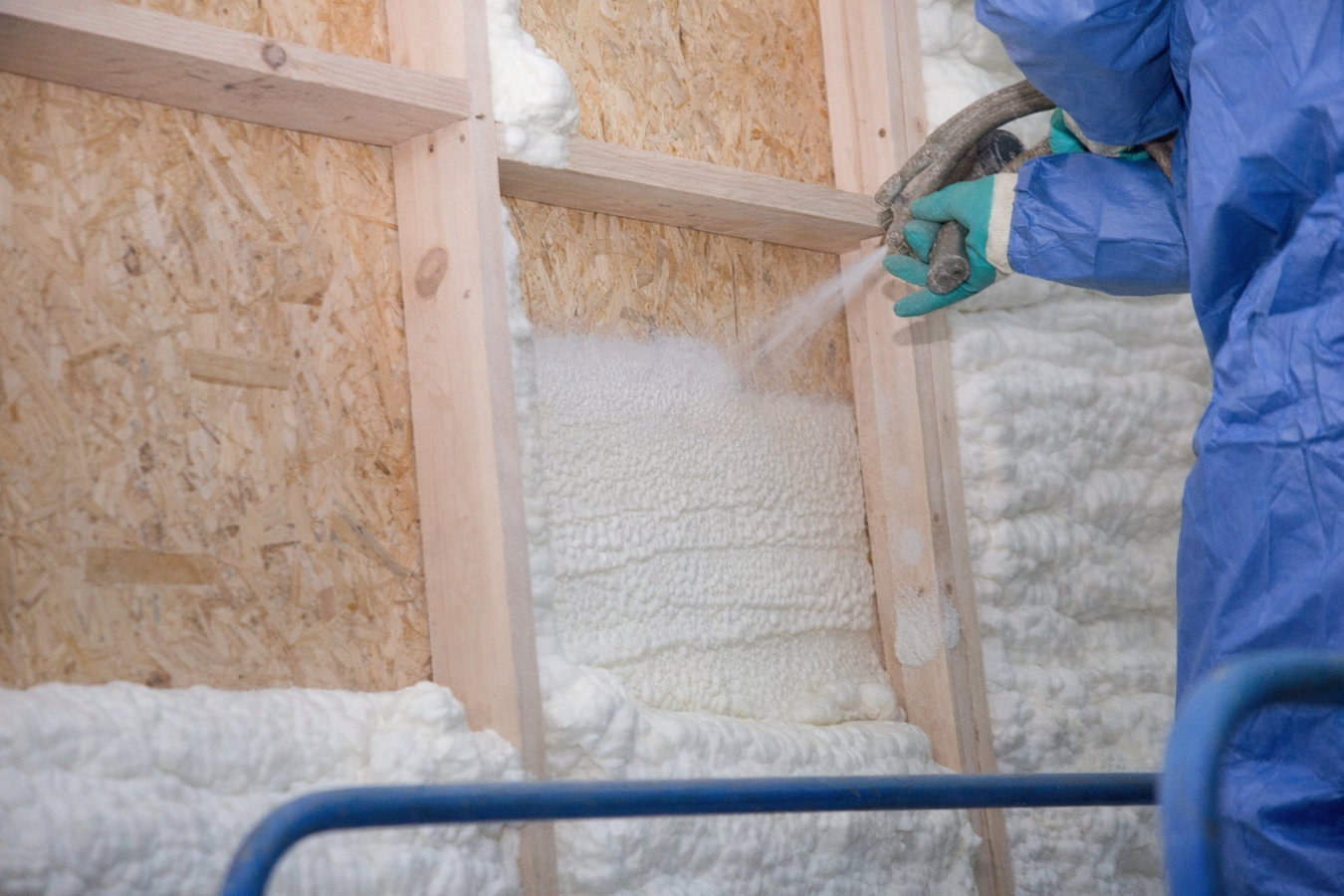
If your first floor feels cold in January and your heating bill climbs every winter, an uninsulated basement is almost always the reason. We fix that with the right materials, installed correctly.
Basement insulation in Lafayette, IN creates a thermal barrier between your cold foundation and your living space - most jobs are completed in one to two days and produce noticeable results within the first heating season.
Without insulation on basement walls or the ceiling above, heat escapes downward through your floor all winter while your furnace runs constantly to compensate. In Lafayette, where January temperatures regularly drop below zero with windchill, that heat loss is not just uncomfortable - it shows up in your gas bill every month from November through March. Basement insulation in Lafayette homes also helps reduce moisture problems, since a better-sealed basement stays drier and less prone to the musty smells that come with seasonal dampness.
For homes where the foundation walls show any signs of moisture, pairing basement insulation with crawl space insulation or a proper moisture inspection first is the right sequence - sealing over a wet wall traps the problem rather than solving it.
If your gas or electric bill spikes sharply when cold weather arrives and stays high until spring, your basement is likely one of the biggest culprits. An uninsulated foundation loses heat continuously throughout the winter, and your furnace cannot keep up without running almost constantly. This is one of the most common complaints from owners of Lafayette's older homes, where basement walls were never insulated.
Walk across your first floor in socks on a January morning. If the floor feels noticeably cold - especially over an unfinished basement - heat is escaping downward instead of staying in your living space. In Lafayette's older neighborhoods, where basement ceilings were never insulated, this is extremely common and one of the easiest things to fix.
Lafayette's wet springs and clay-heavy soils mean basements here are prone to seasonal moisture. If you notice a musty odor, visible condensation on walls or pipes, or that damp feeling after a thaw, your basement's thermal and moisture situation needs attention before insulation goes in - and possibly means existing insulation has already been compromised.
Homes built before modern energy codes - a large share of Lafayette's housing stock - were rarely insulated at the foundation. If you can see bare concrete or cinder block walls with nothing covering them, you almost certainly have no meaningful insulation there. This is one of the highest-return improvements available to Lafayette homeowners, particularly in homes built before 1980.
Every basement is different, and the right approach depends on whether your basement is finished or unfinished, how you use it, and where your heating equipment is located. We can insulate the walls - keeping the whole basement as conditioned space - or the ceiling above the basement, which separates the cold basement air from your living area. Both approaches have real merit, and we explain the trade-offs clearly before any work begins. For homes that need the highest performance per inch of depth, closed-cell foam insulation is the strongest option for rim joists and walls with irregular surfaces or moisture concerns.
When basement moisture is part of the picture - which it is in a lot of Lafayette homes near the Wabash River lowlands or in neighborhoods with older drainage infrastructure - we assess the situation before recommending materials. If your home also has a crawl space that connects to the basement area, crawl space insulation can be done at the same time for a more complete result. We handle all permit paperwork and coordinate the city inspection so you do not have to manage that on your own.
Best for finished basements, homes where heating equipment is in the basement, or any homeowner who wants the whole lower level to feel like conditioned space.
A practical choice when the basement is used only for storage and keeping the upstairs floor warm is the main goal - often less expensive than wall insulation.
Targets the most air-leaky part of almost every basement - the gap where the floor framing meets the foundation wall, which is a primary cold-air entry point in winter.
Ideal for older Lafayette homes with rough concrete or block walls where rigid foam panels do not fit cleanly and moisture resistance is a priority.
Lafayette sits in a climate where January lows regularly drop into the teens and wind chill pushes the felt temperature below zero. That kind of sustained cold means an uninsulated basement is not a minor inconvenience - it is a direct drain on your heating system from November through March. Indiana falls in a climate zone that calls for higher insulation levels than warmer states, and a contractor who knows Lafayette understands that the job needs to be sized for Indiana winters, not just average conditions. A significant share of Lafayette homes were built before modern energy codes, meaning the houses in older neighborhoods near downtown and along the river bluffs often have no basement insulation at all.
The clay-heavy glacial soils in Tippecanoe County hold water long after heavy rain, which makes basement moisture a recurring problem in many parts of the city. Homeowners in areas like West Lafayette and Frankfort deal with similar soil and climate conditions, and proper basement insulation - installed only after a moisture inspection - makes a lasting difference in how comfortable and energy-efficient those homes are year-round.
We will ask a few basic questions about your basement - finished or unfinished, any history of moisture, roughly how old the home is. We reply within one business day and schedule an in-home visit at a time that works for you.
We walk through your basement, check for moisture, measure the space, and explain your options - wall insulation, ceiling insulation, or both. You get a written, itemized estimate before we ask for any commitment.
For most basement insulation projects in Lafayette, we pull the required building permit and schedule your installation date - typically one to two weeks out, depending on the season and our current workload.
The crew arrives, installs the insulation, and cleans up the same day. We then coordinate the city inspector visit - you do not have to manage that. Once the inspection passes, the project is complete and the permit is closed.
Free estimate, written quote, no obligation. We reply within one business day.
(765) 742-7807We pull the required building permit for every qualifying basement insulation project in Lafayette, and we coordinate the city inspection. That means an independent inspector signs off on the work before anything gets covered - giving you documentation that matters when you sell the home.
We inspect every basement for water intrusion before recommending a single material. In a city where clay soils and wet Indiana springs create real basement moisture problems, this step protects you from paying to insulate a problem instead of solving it.
We serve Lafayette and 11 surrounding communities across Tippecanoe County and the broader central Indiana region. Local contractors who know these neighborhoods know what the homes here actually need - and what common problems to look for in pre-1980 construction.
For jobs that call for spray foam, we follow installation standards consistent with the Spray Polyurethane Foam Alliance guidelines. Proper foam thickness and complete coverage are not optional - they determine whether the job performs the way it should for years to come.
We work on Lafayette homes because we know them - the older construction, the moisture patterns, and the kind of winters that make a properly insulated basement worth doing right. Every job we do is permitted, inspected, and backed by our word.
Spray foam insulates and seals air gaps in one pass - the highest-performance option for basement rim joists and walls in older Lafayette homes.
Learn moreIf your home has a crawl space instead of a full basement, targeted insulation of the floor and walls below keeps moisture out and living space above comfortable year-round.
Learn moreLafayette winters start in November and the schedule fills fast - reach out now and we will get you a written quote before the cold sets in.