
Loading...
Serving Lafayette, IN and surrounding areas. (765) 742-7807
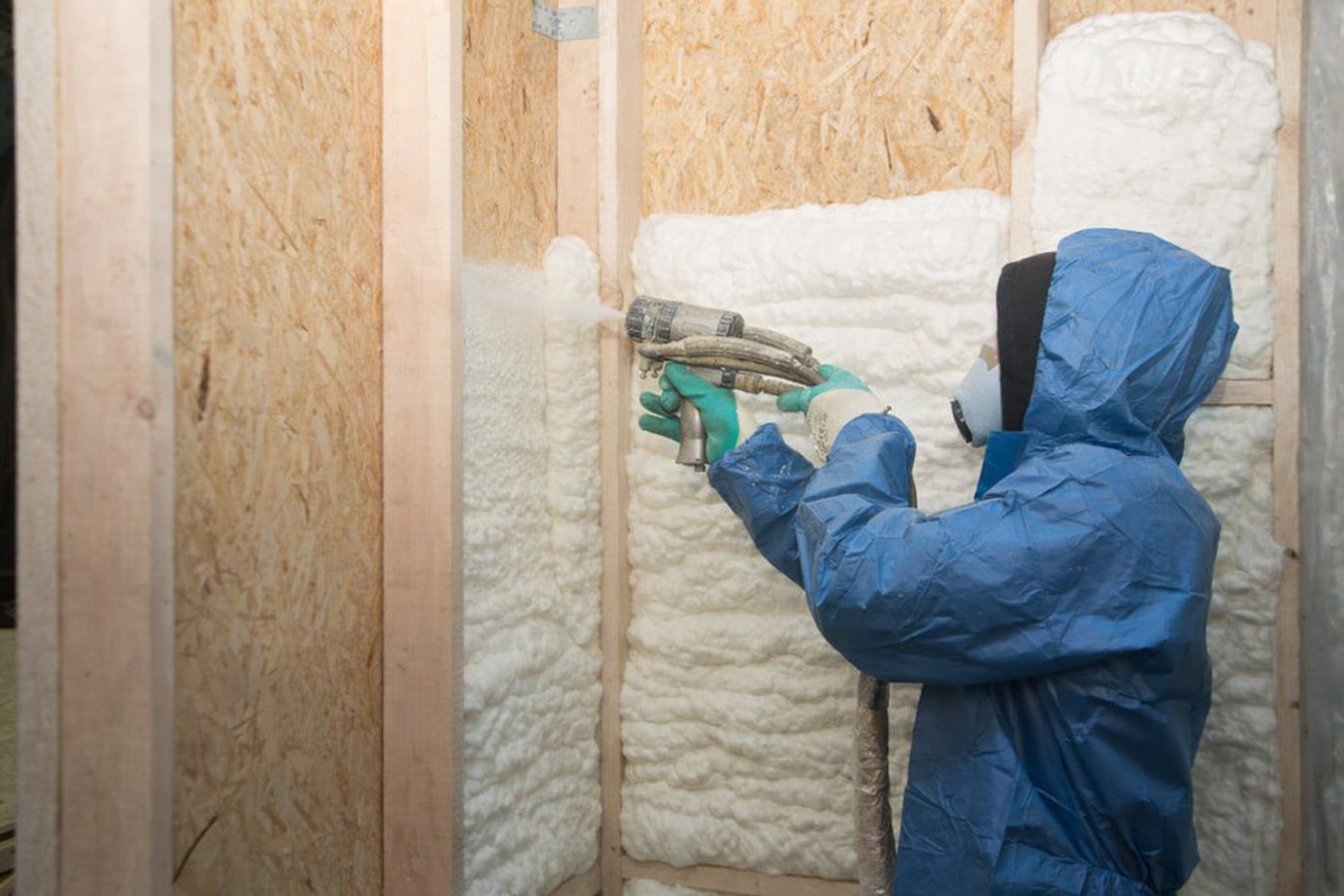
Lafayette Insulation serves Anderson, IN homeowners with spray foam, attic, blown-in, and crawl space insulation. We have been serving Madison County since 2023, know the region's older homes, and respond to every estimate request within 1 business day.
The bungalows and two-story wood-frame homes common in Anderson's older neighborhoods near downtown and the White River corridor have attic floors with irregular framing where batt insulation cannot cover evenly. Blown-in cellulose or fiberglass fills every corner and around every obstruction without opening any walls, making it the most practical way to bring these homes up to current standards. If your attic insulation is thin or uneven, learn more about blown-in insulation.
Anderson homes built before 1960 were constructed without air sealing - gaps around pipes, wires, and where framing meets the foundation let conditioned air bypass insulation entirely. Spray foam fills those gaps and insulates in one application, making it the highest-performance option for crawl spaces, rim joists, and problem areas in older homes. It is particularly effective in homes near Killbuck Creek and White River where moisture pressure on foundations is a regular concern.
Most Anderson homes from the 1920s through the 1950s have only a few inches of original attic insulation - levels that were standard at the time but fall well below what Indiana winters and summers now demand. Heat escapes in winter and radiates back in during summer through thin attic coverage. Adding insulation to the attic floor is typically the fastest way to improve comfort and reduce energy bills in this housing stock without opening walls or disrupting the living space.
Anderson's White River and Killbuck Creek bring seasonal flooding to low-lying neighborhoods, and the moisture that follows affects crawl spaces long after the water recedes. Uninsulated crawl spaces allow that ground moisture to work into floor systems, creating cold floors, musty odors, and reduced insulation performance. Spray foam on crawl space walls paired with a vapor barrier on the floor addresses both the temperature and the moisture problem at the same time.
Anderson's older neighborhoods along the river lowlands have basements that deal with seasonal moisture pressure - the kind that shows up as cold walls in winter and dampness in spring after snow melt. Insulating basement walls and rim joists with closed-cell foam keeps heat in, reduces moisture migration through foundation walls, and makes the whole house more comfortable from the bottom up.
Anderson homes from the early 1900s were built when gaps were simply accepted as part of the construction - there was no concept of intentional air barriers. Those gaps around pipes, wires, and attic penetrations allow conditioned air to bypass whatever insulation is present. Air sealing before adding blown-in or batt insulation is what makes the difference between a job that meets expectations and one that falls short - especially in the drafty older housing stock typical of central Anderson neighborhoods.
Anderson sits in east-central Indiana's flat glacial terrain about 35 miles northeast of Indianapolis, where White River and Killbuck Creek flow through the city. The river corridor shapes a lot of what happens with moisture in Anderson homes. Low-lying neighborhoods near White River experience periodic flooding - the spring snowmelt season is the most consistent source, but heavy rain can raise the river quickly at any time of year. Even homes that do not flood directly deal with elevated groundwater that pressures crawl spaces and basements with moisture for weeks after each event. The clay-heavy soils throughout Madison County hold that water instead of draining it away, which prolongs the moisture exposure for foundations.
Anderson's climate adds both ends of the thermal challenge. Indiana winters in this part of the state regularly push into the single digits, and freeze-thaw cycles from November through March widen gaps in older framing and foundation sills every season. Hot, humid summers push July dew points into the 60s, which means moisture that gets into an under-ventilated attic or crawl space does not dry out quickly. Most of Anderson's housing stock - the brick bungalows and two-story frame homes from the 1920s through the 1950s near the downtown and Mounds Lake corridor - was built with no air sealing and minimal insulation by today's standards. That combination of age, moisture exposure, and a demanding climate is what makes Anderson a place where getting insulation right actually matters.
We work in Anderson regularly and are familiar with the permit process through the City of Anderson Building Services Department, which handles residential building permits for Anderson. The homes our crew works on most often are the older brick bungalows and frame houses on the north and west sides near downtown and the White River - properties where original crawl spaces and minimal attic insulation are the norm, and where moisture from the river corridor shows up as persistent cold floors and energy loss.
Anderson also has a significant stock of mid-century ranch homes from the 1960s and 1970s, particularly on the east side and in the newer growth areas. These homes are entering the 40-to-60-year window where original attic insulation has settled substantially and crawl spaces that were sealed with batt insulation are losing their effectiveness. The jobs are different from the older downtown homes, but the priority order is the same: attic first, then crawl space or basement, then rim joists and air sealing.
We also serve nearby communities. If you are in Muncie to the northeast, we cover that area as well - same crew, same pricing approach, and the same 1-business-day turnaround on estimate requests.
When you reach out, we ask a few basic questions - the age of your home, whether you have a crawl space or basement, and any comfort problems you have noticed (cold floors, high heating bills, drafts near exterior walls). We respond to every request within 1 business day and schedule an in-home estimate within a few days of that first contact.
A contractor visits your home and checks the attic, crawl space, and rim joists - measuring existing insulation levels and looking for air leakage points. This visit takes 30 to 60 minutes. You receive a written estimate explaining what is recommended and why, with a clear cost breakdown. No pressure, no obligation.
If your project requires a permit through the City of Anderson Building Services Department, we handle the filing before work begins. Most residential insulation permits in Anderson are processed within a few business days. We keep you updated so there are no surprises on the day of the job.
The crew arrives with all equipment and completes the job - most Anderson residential insulation jobs finish in a single day. Before leaving, they walk you through the finished areas so you can see exactly what was done. For spray foam projects, we confirm the re-entry window in writing before the crew packs up.
We serve all of Anderson and Madison County. Free estimates, written quotes, and a response within 1 business day.
(765) 742-7807Anderson is a city of roughly 54,000 people in Madison County, about 35 miles northeast of Indianapolis along Interstate 69. Like many Indiana cities of its size, Anderson grew through manufacturing - auto parts plants drew workers who settled into the brick bungalows and wood-frame homes that now define the older north and west sides of the city. White River runs through Anderson and is the city's defining geographic feature: a recreation and greenway corridor and, for neighborhoods along its banks, a seasonal flooding concern that shapes how homeowners think about moisture in basements and crawl spaces.
The proposed Mounds Lake reservoir project has brought renewed attention to the White River corridor and to property investment across the broader Anderson area. Mid-century ranch homes on the east side and in the newer growth corridors represent a different slice of the housing stock - homes where original insulation from the 1960s and 1970s has settled and needs to be addressed. Nearby communities including Muncie to the northeast share much of the same housing age and climate demands, and we serve that area as well.
Spray foam creates an airtight seal that dramatically reduces energy loss in walls, attics, and crawl spaces.
Learn moreProper attic insulation keeps conditioned air inside your home and lowers heating and cooling bills year-round.
Learn moreBlown-in insulation fills irregular cavities evenly, providing consistent thermal performance with minimal disruption.
Learn moreWhole-home insulation solutions tailored to your specific house type, age, and energy goals.
Learn moreSafe, complete removal of old or damaged insulation before new material is installed.
Learn moreInsulating the crawl space improves comfort, controls moisture, and protects floors from temperature extremes.
Learn moreWall insulation reduces outdoor noise and maintains consistent indoor temperatures throughout every season.
Learn moreAir sealing closes gaps and cracks that let conditioned air escape and outside air infiltrate your home.
Learn moreBasement insulation prevents heat loss through foundation walls and helps eliminate cold floors above.
Learn moreClosed-cell spray foam offers the highest R-value per inch and acts as both insulation and vapor barrier.
Learn moreOpen-cell foam expands to fill complex cavities, delivering excellent soundproofing and thermal performance.
Learn moreSealing the attic floor stops conditioned air from rising out of the living space into unconditioned areas.
Learn moreA heavy-duty vapor barrier blocks ground moisture from entering your crawl space and causing structural damage.
Learn moreProfessional vapor barrier installation protects your home from moisture intrusion and mold growth.
Learn moreRetrofit insulation upgrades existing homes without major reconstruction, improving efficiency quickly.
Learn moreCommercial-grade insulation systems for warehouses, offices, and industrial facilities of any size.
Learn moreMadison County homeowners - call us or submit a request online and we will respond within 1 business day.