
Loading...
Serving Lafayette, IN and surrounding areas. (765) 742-7807
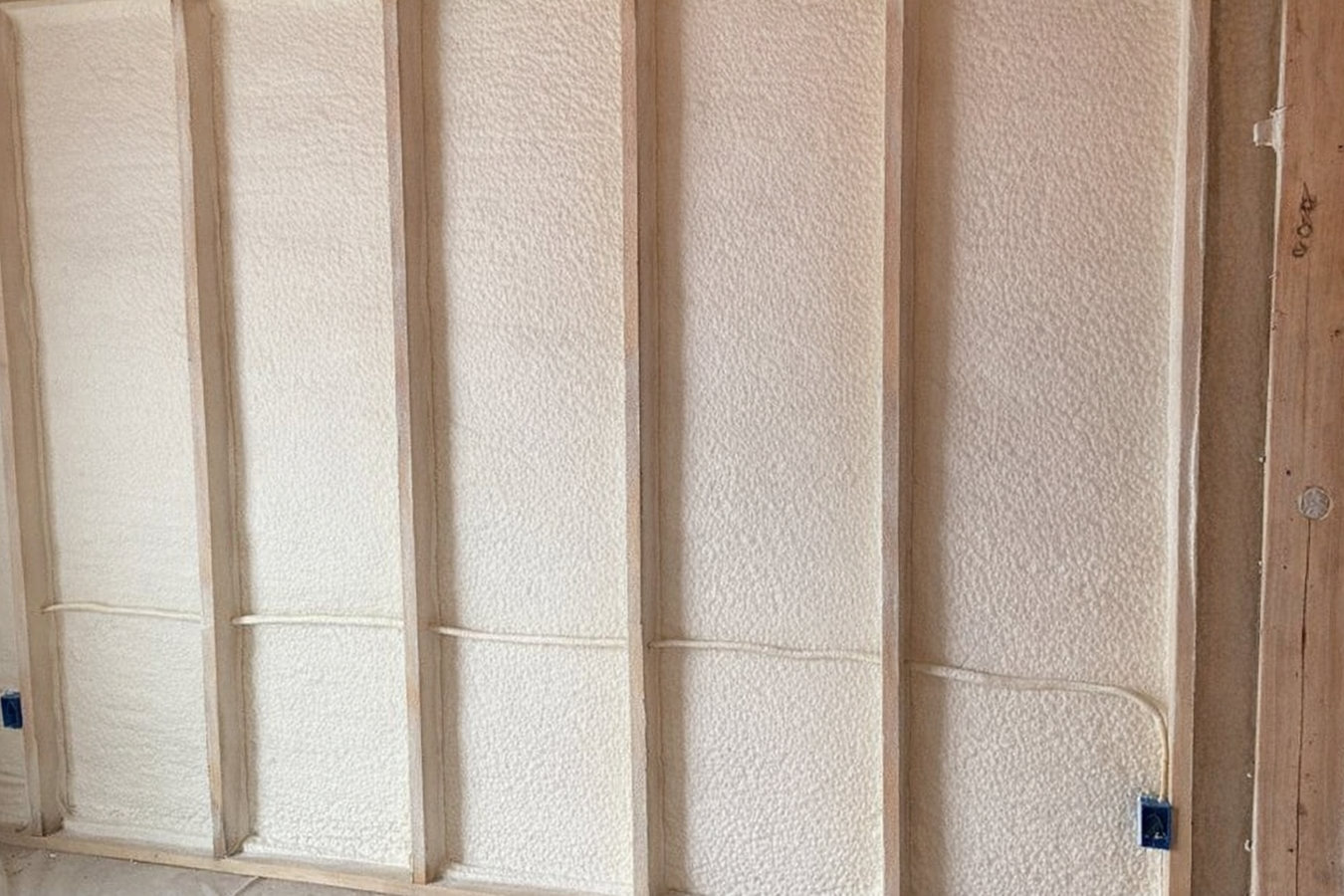
Older Lafayette homes lose heat through gaps that regular insulation cannot close. Closed-cell foam insulates and seals in one step, so you stop paying for heat that was never staying inside.
Closed-cell foam insulation in Lafayette, IN is a two-part spray that expands into a dense, rigid layer, insulating and sealing air gaps at the same time - most residential jobs are completed in one to two days and deliver results you notice within the first heating season.
Standard insulation materials - fiberglass batts, blown-in cellulose - slow heat movement but do not seal air gaps. That means even a well-insulated home can still lose significant heat through small cracks, gaps around pipes, and unsealed framing. Closed-cell foam does both jobs in a single application. It cures into a rigid, nearly impermeable layer with one of the highest insulating values per inch of any material available to homeowners. For older Lafayette homes with irregular walls, narrow cavities, or persistent moisture concerns, it is often the most practical and durable solution. If you are also considering a broader upgrade, our spray foam insulation service covers the full range of applications across the entire home.
For spaces where the performance of foam is desired at a lower cost and moisture resistance is less critical, open-cell foam insulation is another option worth comparing. We explain the differences clearly during the estimate visit so you can make the right call for your home and budget.
Lafayette winters are long and cold, and a well-insulated home should hold heat without the furnace running constantly. If your gas or electric bill jumps sharply during cold snaps - or if your furnace seems to run all day without the house ever feeling warm - heat is escaping faster than your current insulation can handle. This is one of the most common complaints from owners of Lafayette's older homes, where wall and crawl space insulation was minimal from the start.
Run your hand along the bottom of an exterior wall on a cold day. If you feel a draft near electrical outlets, at the floor line, or around window frames, air is moving through gaps in your building envelope. In Lafayette's older housing stock, these gaps are extremely common - walls were built without any air-sealing techniques, and decades of settling have opened new pathways for cold air to enter.
Indiana summers push moisture into crawl spaces and unfinished basements, especially in homes without proper sealing. If you notice a musty smell, visible condensation on pipes or joists, or soft spots in flooring above the crawl space, moisture is getting in. Closed-cell foam applied to crawl space walls and the floor above can stop that moisture movement before it leads to structural damage or mold.
If you bought an older Lafayette home and have no record of insulation work, the original insulation - if any was installed in the walls - has likely settled, degraded, or was never sufficient to begin with. Older fiberglass batts lose effectiveness over time, and many mid-century homes were built with little or nothing in the walls at all. A quick inspection tells you exactly where you stand.
We apply closed-cell foam in the locations where it delivers the most value - crawl spaces, basement rim joists, attic roof lines, and garage ceilings below living space. In crawl spaces, the foam goes on the walls and the underside of the floor above, creating a fully encapsulated space that resists both moisture and cold air. For rim joists - the gap between your floor framing and your foundation - closed-cell foam is faster and more effective than trying to cut rigid foam panels to fit, and it seals every irregular gap in one application. If you are coordinating a larger project that includes spray foam insulation throughout the home, we can sequence the work to minimize disruption.
For homeowners who want the efficiency of foam but are working with a tighter budget or are treating interior spaces where moisture resistance is less critical, open-cell foam insulation is a lower-cost alternative worth discussing. We carry both products and will explain clearly which performs better for your specific application. Every foam job includes a walkthrough of the finished work - we show you what was treated, where, and at what thickness.
The best option for Lafayette crawl spaces dealing with humidity, moisture intrusion, or musty odors - foam on the walls and floor underside creates a sealed, dry space.
Targets the single most common air-leakage point in older Lafayette homes - where the floor frame meets the foundation wall - and fills every gap in one pass.
Ideal for homes where the attic is used as living space or the roof line needs to be insulated directly - closed-cell foam creates a conditioned roof assembly.
Brings living spaces above garages and adjacent to exterior walls up to a comfortable temperature - closed-cell foam in narrow cavities outperforms batts of the same thickness.
Lafayette sits in a climate zone where winter temperatures regularly drop into the single digits and wind chill can push the felt temperature well below zero. Homes that are under-insulated or leaky lose heat fast in those conditions, and heating bills reflect it every month from November through March. Much of Lafayette's housing stock was built before modern insulation standards existed, with homes from the mid-20th century making up a large share of the city's residential neighborhoods near downtown and along the Wabash River bluffs. Those homes have thin wall cavities, minimal crawl space coverage, and gaps that have been letting air move freely for decades. Closed-cell foam's combination of high insulating value per inch and near-complete air sealing makes it the most practical upgrade for that kind of construction.
Indiana summers add a moisture dimension that matters too. High humidity pushes moisture into crawl spaces and wall cavities through gaps that were never sealed, and over time that moisture leads to mold, wood rot, and deteriorating insulation. Closed-cell foam's resistance to moisture movement is a real advantage here - it is not just about the winter. Homeowners in West Lafayette and Kokomo face the same climate and housing conditions, and the same solutions apply across central Indiana.
We ask a few basic questions - what area you want treated, whether you have existing insulation, and roughly how old the home is. We reply within one business day and schedule an in-home visit that works for your schedule.
We walk the areas to be treated, check for moisture or damage that needs to be addressed before foam goes in, and measure the space. You leave the visit with a written estimate - no verbal quotes, no surprises on installation day.
Before the crew arrives, we ask you to clear the work area and arrange to be out of the treated space during spraying and for a few hours afterward while the foam cures. We give you a specific re-entry time in writing before the job begins.
The crew sprays the foam in passes, building the required thickness in layers. The foam expands and hardens within seconds of application. Once curing is complete and the space is ventilated, we walk the finished work with you and document the thickness and coverage.
Free written estimate, no obligation. We reply within one business day.
(765) 742-7807We document the foam thickness and coverage area on every project and provide that record to you at completion. Foam installed too thin loses much of its insulating value - and the only way to know the job was done right is to measure it. You should never have to take a contractor's word on this.
Spray foam releases fumes while curing that are not safe to breathe. We give you a specific re-entry time in writing before work begins - not a verbal estimate, not a rough guess. The U.S. EPA has published guidance on this, and we follow it on every installation regardless of job size.
We work on homes in Lafayette and 11 surrounding communities throughout the region. Contractors who know central Indiana's housing stock know what to expect in homes from the 1950s through the 1980s - the narrow cavities, the irregular surfaces, and the specific moisture patterns that vary by neighborhood.
For all spray foam applications, we follow the installation standards set by the Spray Polyurethane Foam Alliance. That means correct mixing ratios, proper layer-by-layer application, and full protective measures for both the crew and the homeowner. Foam done wrong is expensive to fix - so we do it right the first time.
Spray foam is a specialized product that requires skill, proper equipment, and attention to detail on every job. We work in Lafayette because we know these homes, and we stand behind every installation with documentation you can keep.
For health and safety guidance on spray polyurethane foam, see the U.S. EPA guidance on spray foam insulation. Indiana building code requirements are administered by the Indiana Department of Homeland Security, Fire and Building Safety.
Open-cell foam is a lower-density option that works well for interior walls and attic cavities where moisture resistance is less critical and sound dampening matters.
Learn moreOur full spray foam insulation service covers every application - attics, walls, crawl spaces, and foundations - for homeowners who want the most complete envelope upgrade available.
Learn moreOur schedule fills fast in fall - reach out now and we will get you a written quote with no obligation and no sales pressure.